
Professional translation service
Divorce paperwork can look very different across jurisdictions. Translator London translates divorce certificates, decrees and related civil-status records for people preparing family applications, remarriage documents, legal paperwork or overseas registrations. We focus on accurately recording the final status and the wording actually present in the source.
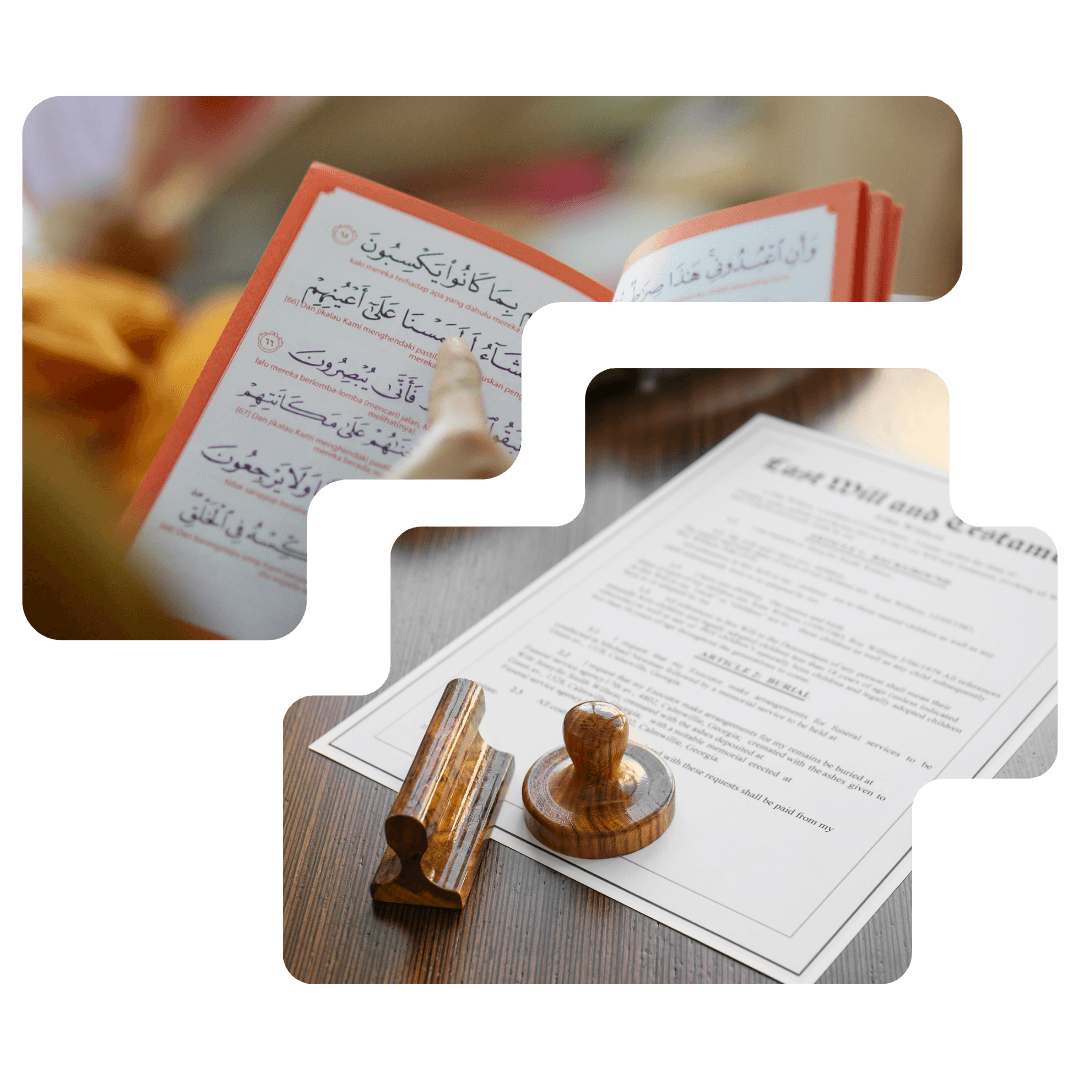
Some countries issue a short divorce certificate, while others provide a court judgment, final order, decree absolute or annotated marriage register entry. The complete record may contain case numbers, parties’ names, decision dates, filing dates and seals. Translate the instrument the requesting authority specifies, not simply whichever page is easiest to scan.
Divorce documents may consist of a decree, final order, registry extract or court certificate. In different jurisdictions, the paperwork can distinguish interim stages from a final dissolution. Identify which record the recipient actually wants.
A document recording an application for divorce is not automatically evidence that the divorce is final. The translation should clearly distinguish an interim order, a final decree and a register note. Whether a foreign divorce is legally recognised is a question for the appropriate legal authority, not the translation itself.
Keep court names, case numbers, party names and effective dates distinct. Where an order has several stages, translation should not make an earlier procedural step sound final. Translate all relevant endorsements and annexed orders.
If the record uses one date for judgment and another for the date the ruling took effect, both must be retained. They may affect how an overseas register or adviser interprets the status. Any ambiguity in the source is reported rather than resolved by altering the translation.
An overseas divorce record might display both the date of judgment and the date when the dissolution took legal effect. Merging the two can distort the document’s meaning in later marriage or immigration processes.
Check the rules of the court, registry or immigration office receiving the translation. An accurate translation of a foreign divorce document does not itself establish that the divorce is recognised in the jurisdiction where it will be used.
Check the completed translation against the document you supplied. Names, reference numbers and significant annotations should be consistent with the source.
Do not upload only the signature page of a lengthy final order if the receiving authority needs the operative clauses. Additional notarisation or apostille requirements must be checked separately. Names and court references require careful verification against the original.
Do not translate an interim order as proof of a final divorce. In a cross-border matter, seek qualified legal advice on recognition or effect rather than expecting the translation company to make that determination.
It may be requested as evidence, but the marriage authority determines what form and proof of final divorce it will accept.
Not necessarily. The terminology and legal effect depend on the country and the document issued.
Yes, larger legal documents can be assessed for scope, terminology and turnaround after reviewing the complete file.
No. That determination belongs to the relevant registrar, court or professional adviser.
Pricing depends on length, language direction, specialist vocabulary, urgency, formatting and any separate certification or delivery requirements. Upload the document for an assessment instead of relying on generic pricing that may not cover your particular need.
See our certified translation service, translation services overview and birth certificate translations for adjacent document requirements.
Upload the original, tell us who will receive the translation and specify any deadline. The order can then be assessed against the actual document rather than assumptions about its format or use.