
Certified document translation
Need your marriage certificate translated for a UK visa, legal matter or official application? Translator London prepares certified translations that preserve names, dates, registration details and other information recorded on the certificate.
Send the complete document and tell us which organisation will receive it. We can review the translation and certification requirements before you proceed.
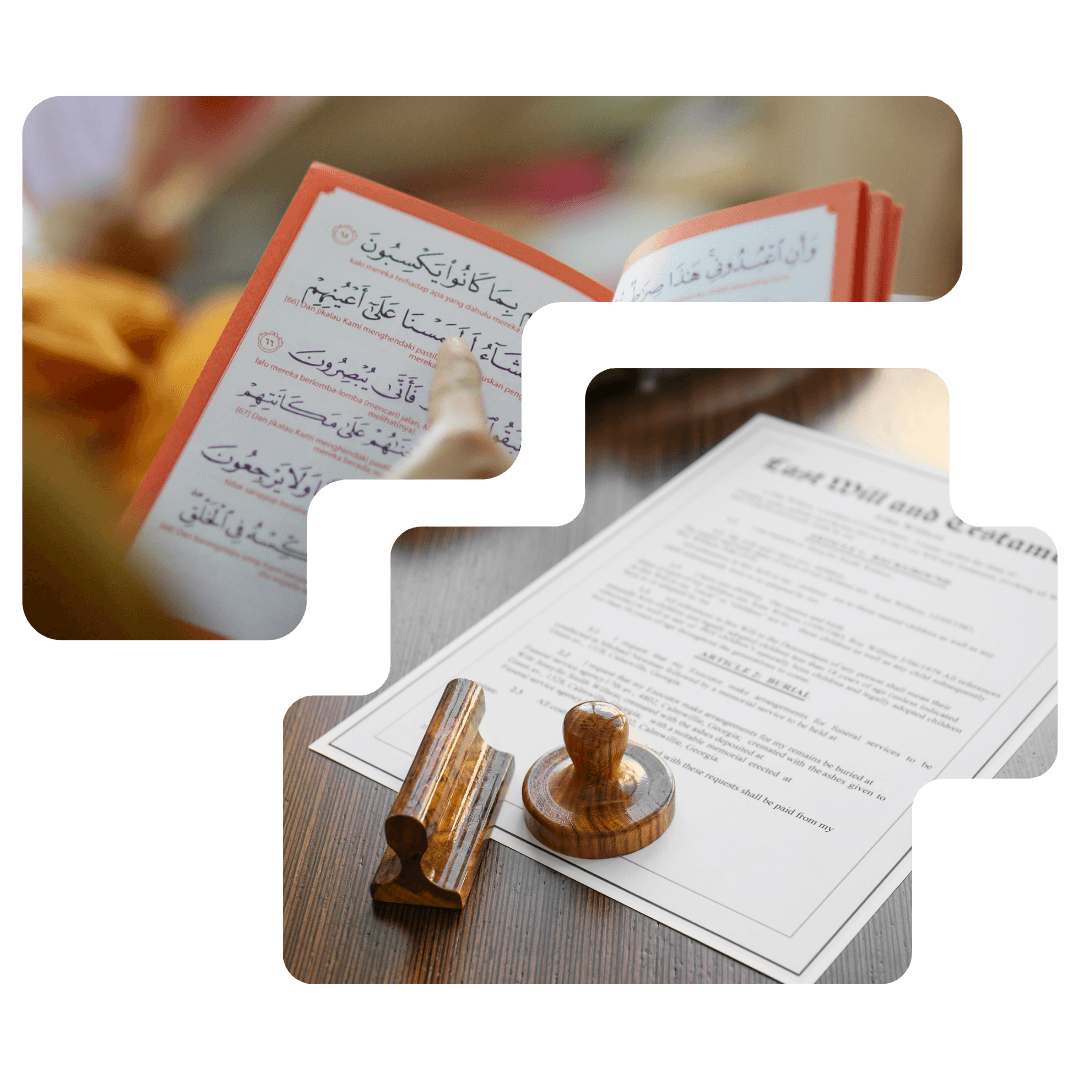
Marriage records come in several forms, including civil registry extracts, religious marriage certificates, multilingual documents and certificates bearing later annotations. The source may list spouses, parents, witnesses, registration dates, certificate numbers and issuing offices. Translating these consistently is important where a surname changed after marriage or the record uses more than one script.
Marriage records differ by jurisdiction and may include civil, religious or multilingual entries. Some show previous names, parent details, witnesses or later amendments. Translate what the actual record states rather than normalising it to another document.
A certified translation should reflect what the document says, not interpret whether a marriage is legally recognised in the UK. UKVI submission rules may require full translation and independently verifiable certification where the original is not in English or Welsh. Embassies, courts and foreign authorities can impose different standards; check these separately.
Keep wedding dates separate from registration dates and preserve both current and former surnames. Transliteration discrepancies should be flagged for review rather than silently corrected. Translate seals and marginal notes as part of the full record where legible.
A certificate may show a spouse’s surname before marriage in one field and a married surname elsewhere. The translation should preserve both entries as written, rather than silently changing one to match a passport. A brief translator note can make a difficult-to-read source entry clear without inventing a correction.
Where a certificate shows a birth surname and a married surname, replacing both with the passport name changes the source meaning. An explanatory translator note, if appropriate, must be distinguishable from the original.
For a visa, family court or foreign register, obtain the institution’s rules on certified, sworn or notarised versions. A translation addresses language, not whether a marriage is recognised as legally valid in another country.
Check the completed translation against the document you supplied. Names, reference numbers and significant annotations should be consistent with the source.
A cropped photo can hide a registration seal or amendment at the bottom of the page. Send all sides and all pages. If a country asks for a sworn translation in its own jurisdiction or a notarised hard copy, do not substitute an ordinary digital PDF without checking first.
Cropping out witness entries or registration seals can make a document incomplete. Apostilles and translations solve different problems, so avoid ordering both without confirming what the recipient needs.
Certified translations are commonly needed for non-English or non-Welsh supporting records. Check the exact route’s guidance and whether the document itself is required.
Yes. Legalisation authenticates qualifying signatures or seals, while translation converts the record into another language.
Clear photographs are useful. Unreadable areas may need clarification before a translator can produce an accurate result.
Tell us about the discrepancy. We translate the source faithfully and can discuss how an explanatory note should be handled.
Pricing depends on length, language direction, specialist vocabulary, urgency, formatting and any separate certification or delivery requirements. Upload the document for an assessment instead of relying on generic pricing that may not cover your particular need.
See our certified translation service, translation services overview and birth certificate translations for adjacent document requirements.
Upload the original, tell us who will receive the translation and specify any deadline. The order can then be assessed against the actual document rather than assumptions about its format or use.